
Elemental City
Pieces of a Dream State

This is a lengthy article. May be truncated by email servers. Use “view in browser” link.
Last week’s article explored Photolimerigraphy of the city. Continuing our exploration, but from a different perspective. The elements. Those that are clearly visible when humanity is usually not in the “picture.”
No city in the world is universally known by a single aspect of its history or existence. Outside of their boundaries, they’re typically described to be what others see them as. Or, as someone references their memories about them to another. Is Paris just the Eiffel Tower? Is New York just The Empire State Building? Is Tokyo just Mount Fuji? Is Agra just the Taj Mahal? Of course not.
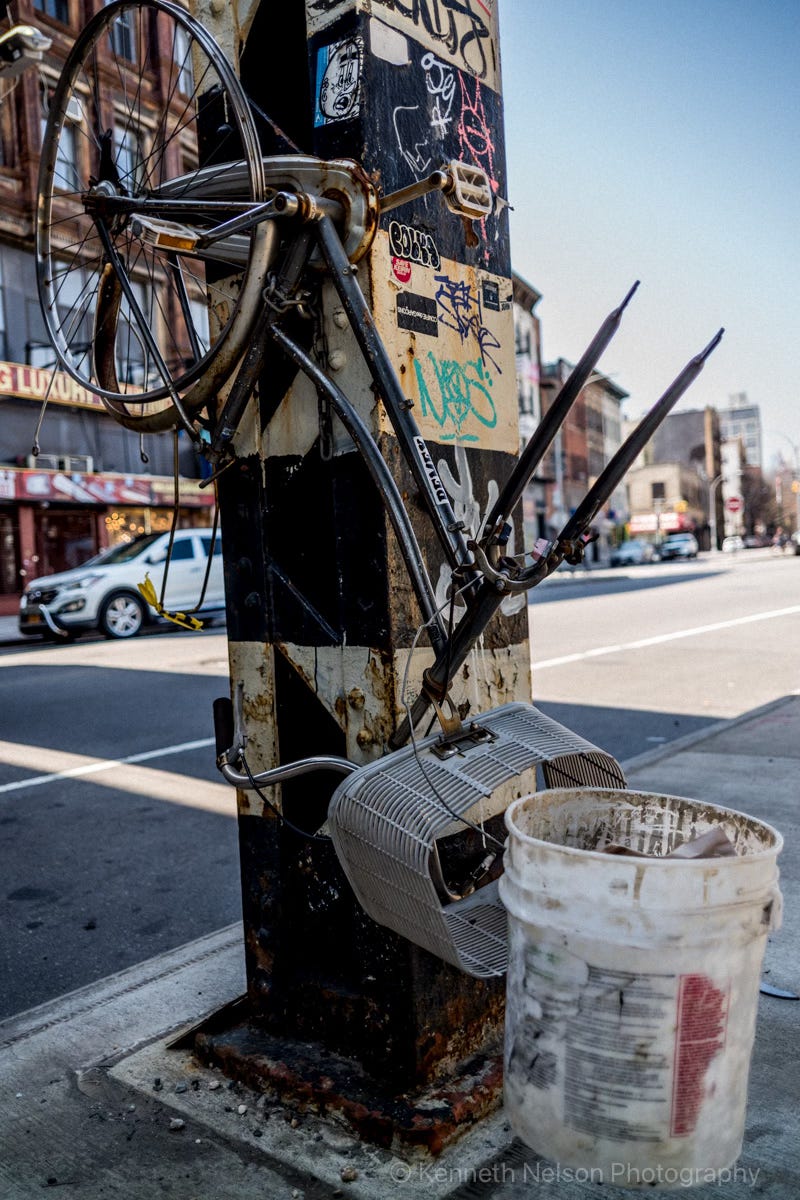
Through all the years of trekking through neighborhoods, I have found myself attracted to the un-beautiful if you will. The dire, dirty, gritty and disposable side of the city. Taking note that many of these undesirable viewpoints have come about because someone of the human persuasion has brought it into existence. Like combining two elements off of the periodic table that didn’t exist until a human merged them into a compound.
Go with me here (I just thought of it). I’ll refer to these as… visual compounds. Things you’re not likely to ever see because they’re (for the most part) impermanent.
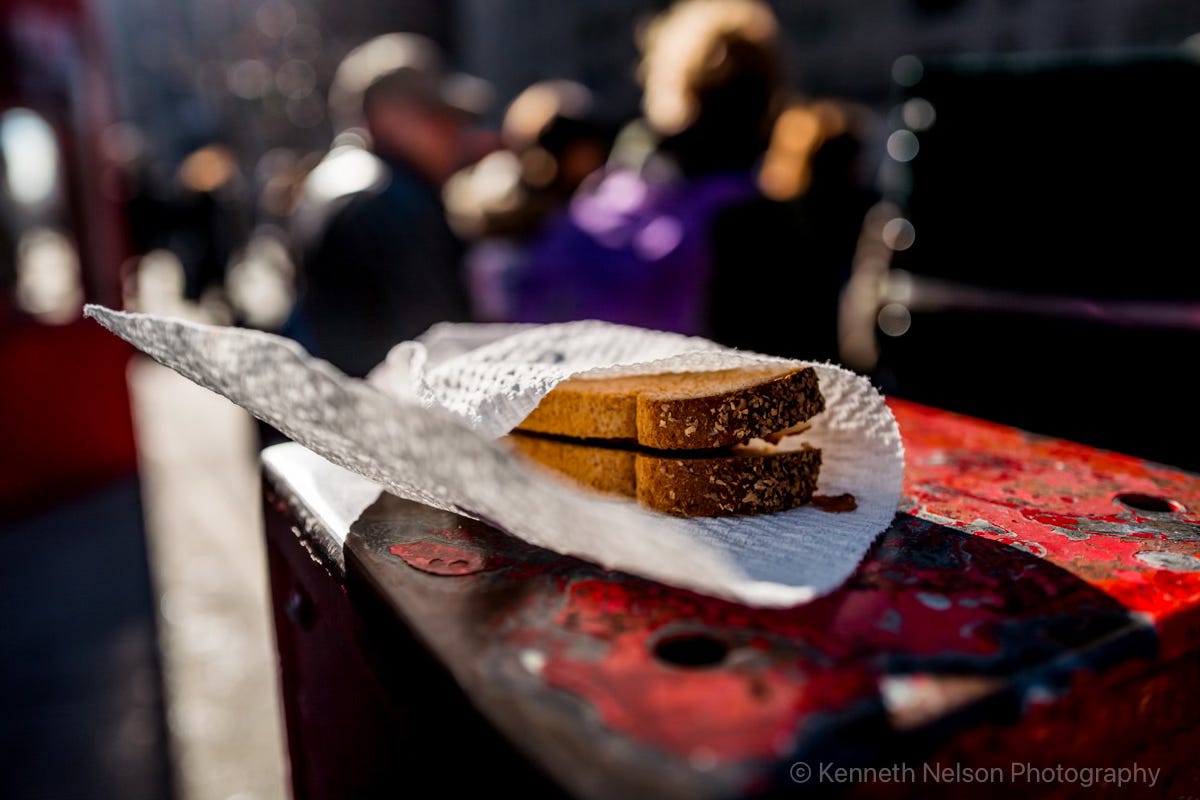
On any given day, we determine what is visually important (or stimulating) to us. The determination of what is and is not important has its ebbs and flows. It’s not a well defined process. One day it may be ketchup. Another day it may be mayonnaise. Or, a half-finished peanut butter and jelly sandwich.

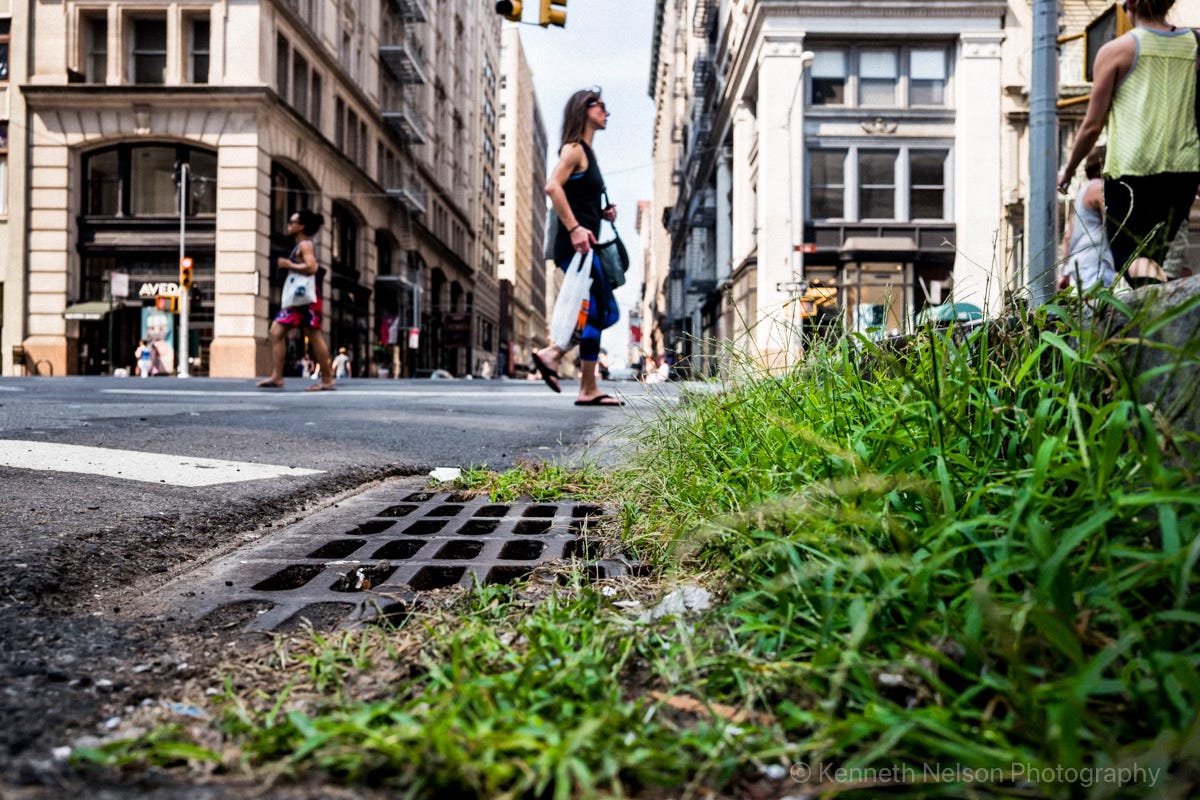
It’s not uncommon to be observant of the things that surround us. There’s just too much information to be observant about every thing. So, we mentally pick and choose what’s important to pay attention to. Since no two of us are alike, we each tend to place our undivided attention onto that which attracts us, not what sickens us. Or at least, makes us question what we’re seeing.
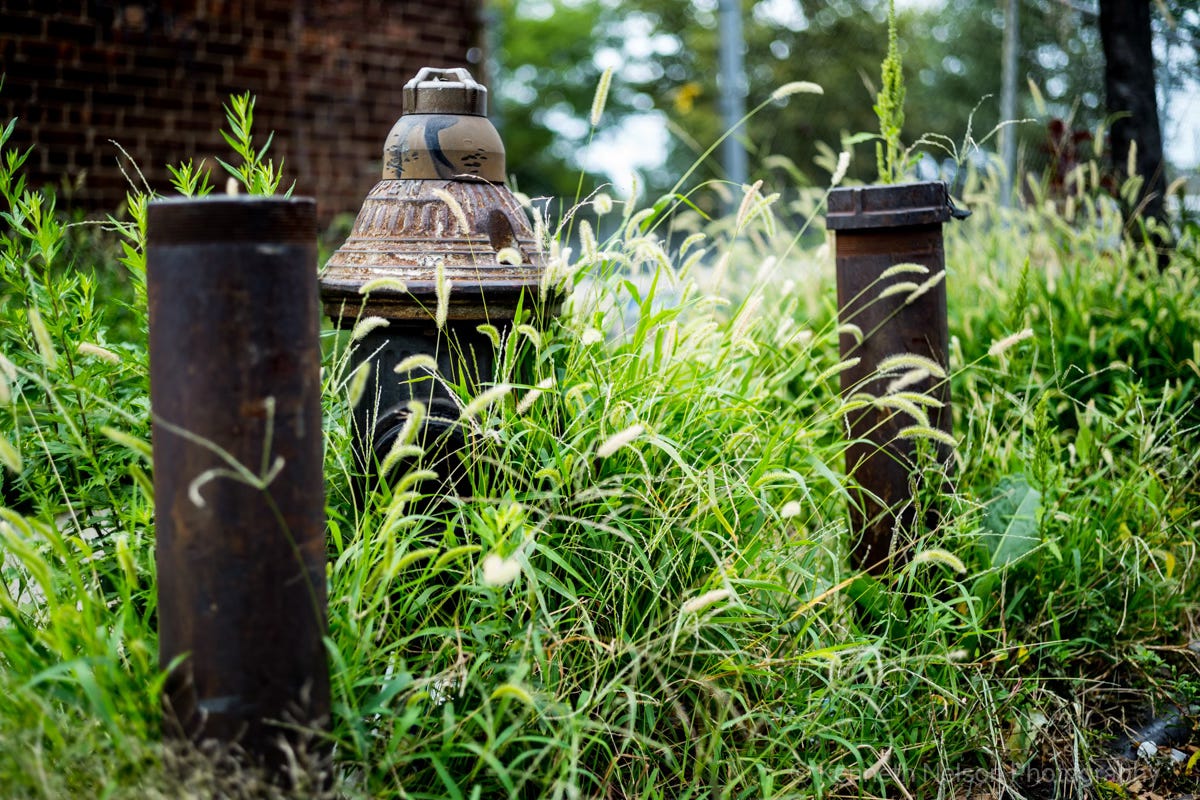
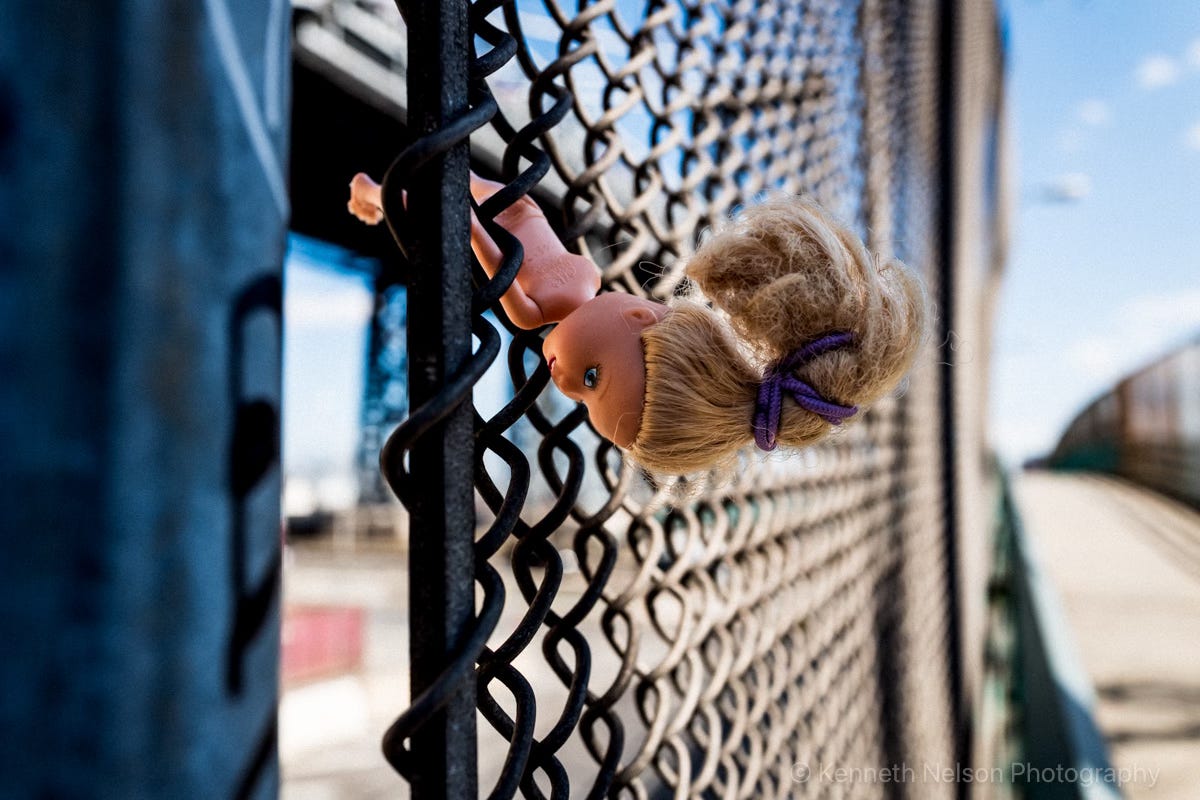
To observe is not to necessarily get answers to why, how, when, where, etc. It’s just to understand that things happen. We all have a level of acceptance for what we deem grotesque or undesirable (whatever that means for you). In putting this article together, ↑ I had to weigh whether this photograph might be objectionable for some. Then weigh that against being truly informative about what I document when I’m out there in the world.
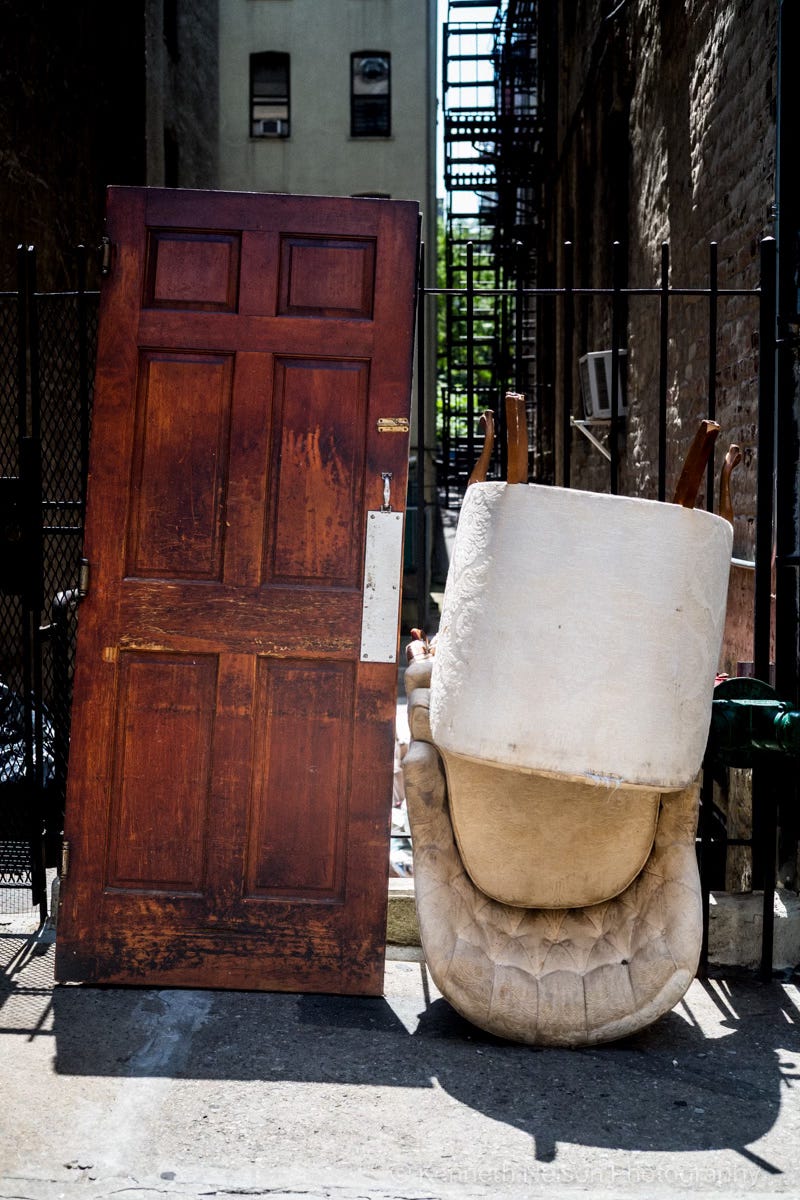
Being deemed “peculiar” by some is familiar territory. The creative instinct doesn’t discount what others may think of as irrelevant during the course of a day. Let alone someone’s trash. Looking beyond is something many are not accustomed to doing outside of the parameters they’re used to—movies, music, reading. But, photography? It has to mean something that gets directly to the point, doesn’t take much brain power to figure out. Nope, not true! Considering life beyond the obvious is the essence of critical thinking. There’s a story. More than one story if one looks beyond what is obvious versus what is not. Beginning with the questions. Why? Who? Where? How? To what end?
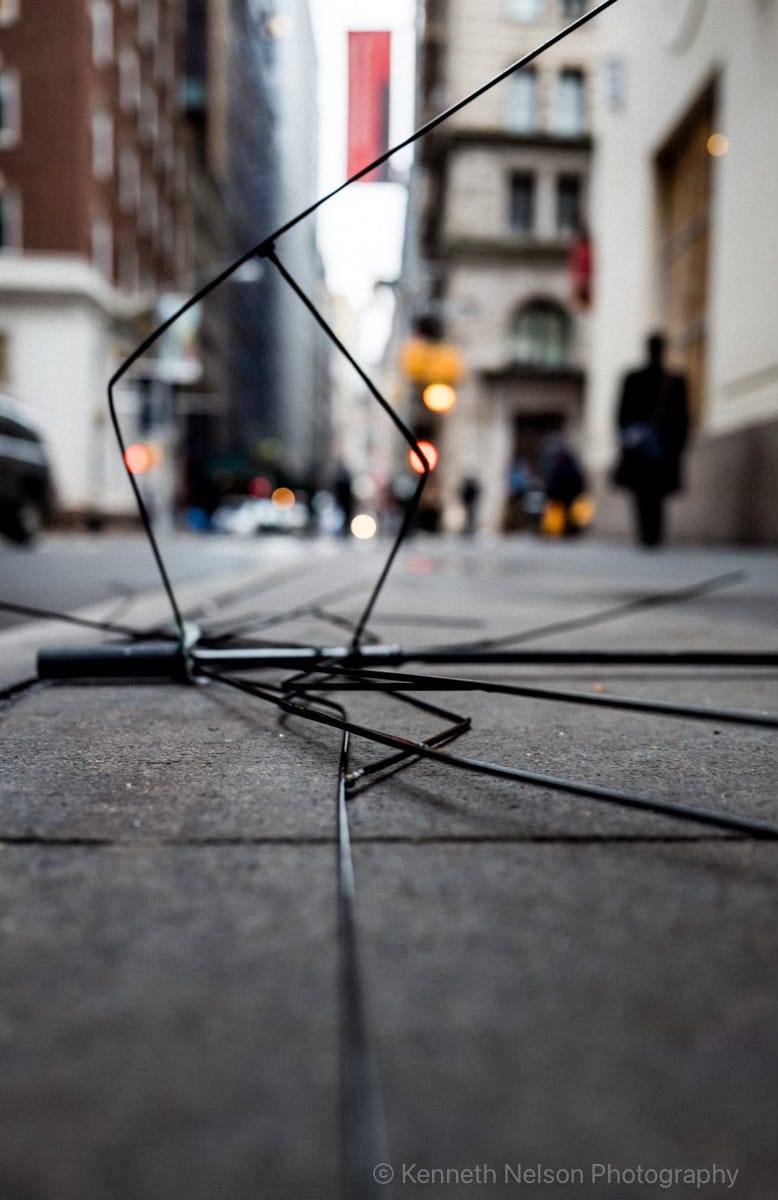
The good, bad, and ugly of the city is a direct result of those who inhabit it. Whether they’re a visitor, a native, or just passing through. The National Parks Service asks visitors “if you packed it in, pack it back out.” That just doesn’t happen in cities. Now I’m just going on a rant! Sorry. When you think about it, we all leave a trace of ourselves most everywhere we go.


Except for dumpster divers, no one carefully looks in trash cans. Patterns about what we see develop. They tend to offer fictional stories (because they’re subjective). I could try and explain the reasons for these items to be in the trash can in the particular way they are, but I cannot. Notice that the items are not fully inside the can? For most, it means absolutely nothing. Knowing, or not knowing is of little consequence for many. For the curious, it’s a question of hmmm. Though, an answer is not necessary.
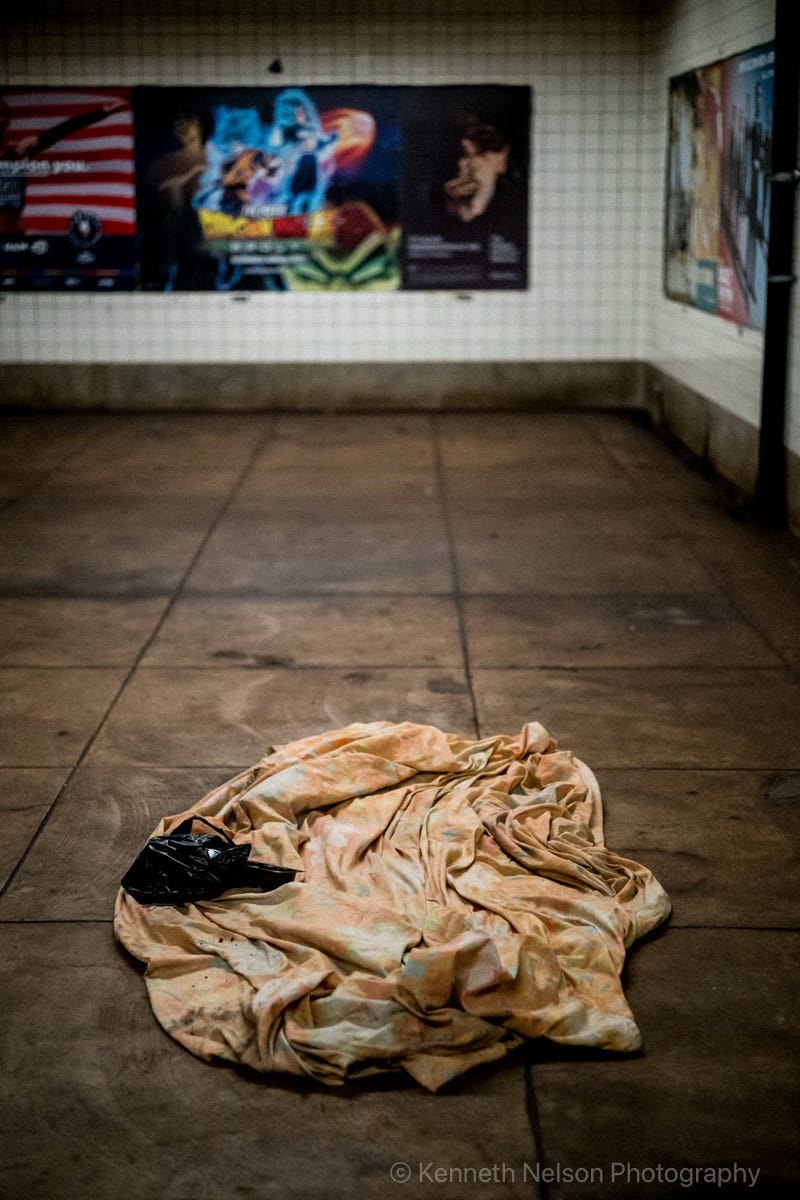
There’s a saying in photographic circles, “every photo a photographer takes is also a self portrait.” Their vision and skills are embedded within. Though I don’t believe one could identify that I had taken any of these photographs before now. From this day onward, when you see something similar, you just may consider that I did (or at least another person who photographs in a similar vein).
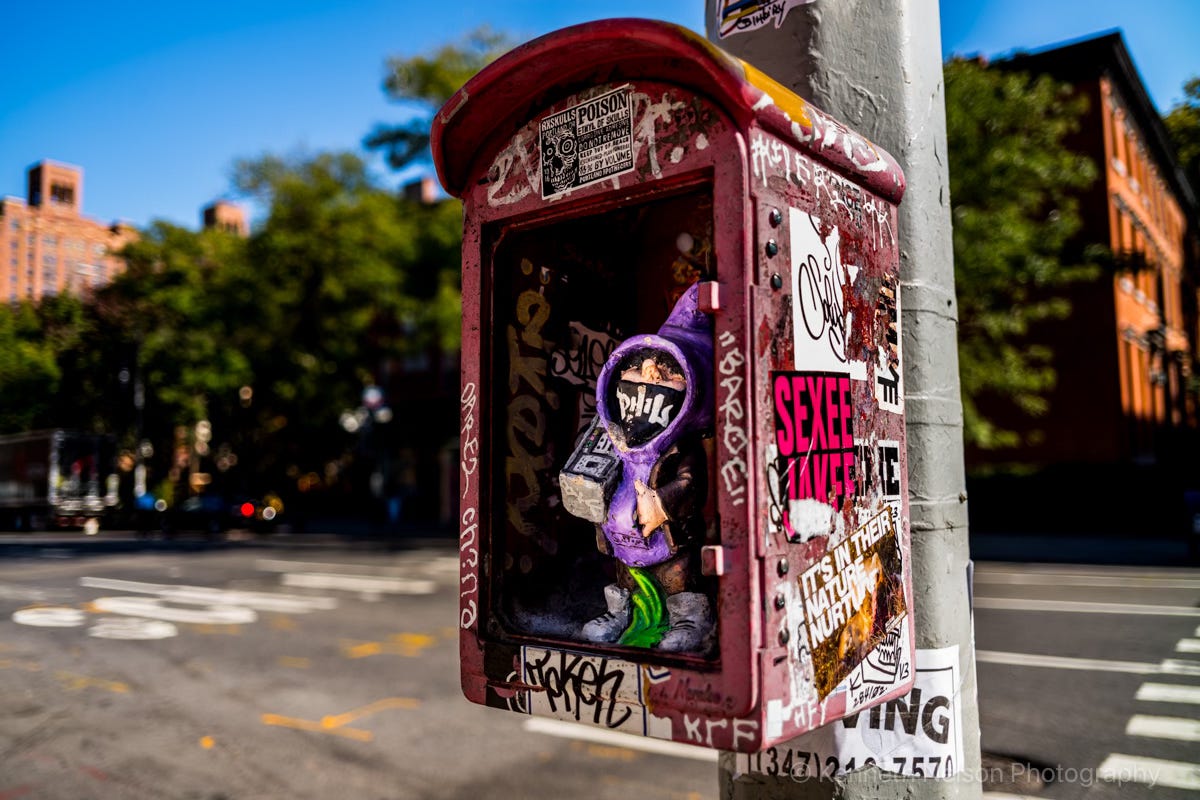
This photograph is part of a project titled “Broken Streets.” Most of the photographs in this article can actually be incorporated into that series. The series originally was about documenting broken fire alarm boxes that are all over the city. On this occasion, and a few others, artists have repurposed some of these ubiquitous relics into mini dioramas. Creative minds often think way beyond the norms of the typical.
↓ Read the Broken Street article below ↓
Broken Streets

Back in the day when us city-kids were in need of some fun, we’d “pull” a false alarm on the fire call boxes. I admit that I may have been the culprit on one or two false alarms in my lifetime, but that’s it! Scout’s honor (though I’ve never been a Scout). In the age of cell phones and wifi calling, they’re becoming relics like public telephones & tele…
The Periodic Table of the Elements consists of all the elements of the universe known to humankind thus far. Cities are made up of elements that shaped them into what they are today. Every building to every neighborhood to every person. Elements that imbue cities with their uniquely distinct “flavor.”
Wishing you well until next time…
I am enthralled with the gritty details of the reality of daily life as much as a pretty picture. Why we second guess sharing - maybe because social media seems to be a contest for the beautiful - I do it too. Thanks for sharing, it empowers others with a documentary eye.
Good post! (Sorry I don't have anything to add, just wanted to say that)